Our twofold Church – community and institution
Presentation by John Wijngaards to zoom conference of CCRI 17 February 2024
Link to Video Recording: https://us02web.zoom.us/rec/share/YJ9dkvw5OFKyUrROpjwuTG_1-0sBEbJQBxtpTP4wj_ha_JO9zc4RFPZQr9tMY14H.zqx2iy6wwd9Rm86d
Passcode: !W83XwMX
SUMMARY OF THE PRESENTATION
SECTION ONE – QAHAL
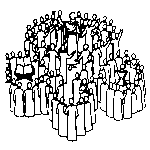 Jesus based his idea of his ‘community’ of followers on the Hebrew/Aramaic concept of QAHAL – assembly. It featured strongly among the Jews who returned to Jerusalem after the exile. The Qahal took decisions.
In Jesus’ time each local city or village had its qahal which met in the synagogues. They too took decisions.
Jesus too envisaged that the Qahal of his believers had ultimate decision making power. See Matthew 18,15-17.
See source document on Qahal here: CLICK HERE!
—+—
SECTION TWO – EKKLESIA
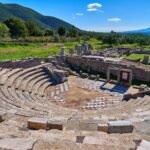 In the Greek-speaking/Hellenistic world, an ekklesia was a local assembly of the citizens that also discussed matters and took decisions.
In the Apostolic Church the Hebrew idea of ‘Qahal’ was adapted to the Greek concept of ‘Ekklesia’. Although the ekklesia had its ministers – elders (presbyteroi), overseers (episkopoi) and administrators (diakonoi) – , the community, ‘the People of God’, was the focal point round which everything turned.
See source document on Ekklesia here: CLICK HERE!
—+—
SECTION THREE – under Roman influence
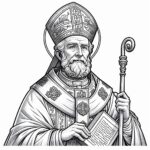 The Church as Institution/Organization is there to support the People of God. Jesus already used organizational support. In the Apostolic period this organizational support was strengthened in many ways.
But it is especially under the leadership of Roman Popes that the present institution of the Church was established. The Romans were expert organisers and the Church greatly benefitted from this. THE CHURCH NEEDS THE SUPPORT OF A CAPABLE INSTITUTION AND THE NEED FOR THIS SHOULD NOT BE IGNORED.
However, Roman rule also introduced unwanted accretions:
Distortion 1: Institutionaling the ministries
Distortion 2. Imposing patriarchy on women
See source document on Roman rule here: CLICK HERE!
—+—
SECTION FOUR – GREEK THINKING
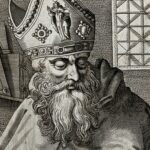 Much of Greek/Hellenistic thinking was positive. It made the ministry of thousands of ordained women deacons possible in the Eastern part of Europe during the first millennium.
However, there were also extremely negative impacts.
Distortion 3: Presenting sex as intrinsically sinful
Under Manichaean influence, St Augustine characterised sex as the carrier of original sin, and depraved in itself.
Distortion 4. Presenting women as a ‘mishap’ of nature
St Thomas Aquinas followed Aristotle in seeing women as ‘monsters’, ‘misbirths’, incapable of intellectual thought and leadership.
See source document on Greek Thinking here: CLICK HERE!
—+—
SECTION FIVE – FEUDAL ORGANIZATION
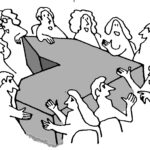 During the Middle Ages the Church copied many features from the feudal societies in which it lived. They brought on board severe errors.
Distortion 5: top-down structure of authority
Distortion 6. the clergy is not accountable to courts of justice
Distortion7: the ‘People of God’ are deprived of their central role
Distortion 8. the charisms of the ordinary faithful are ignored
See source document on the Feudal System here: CLICK HERE!